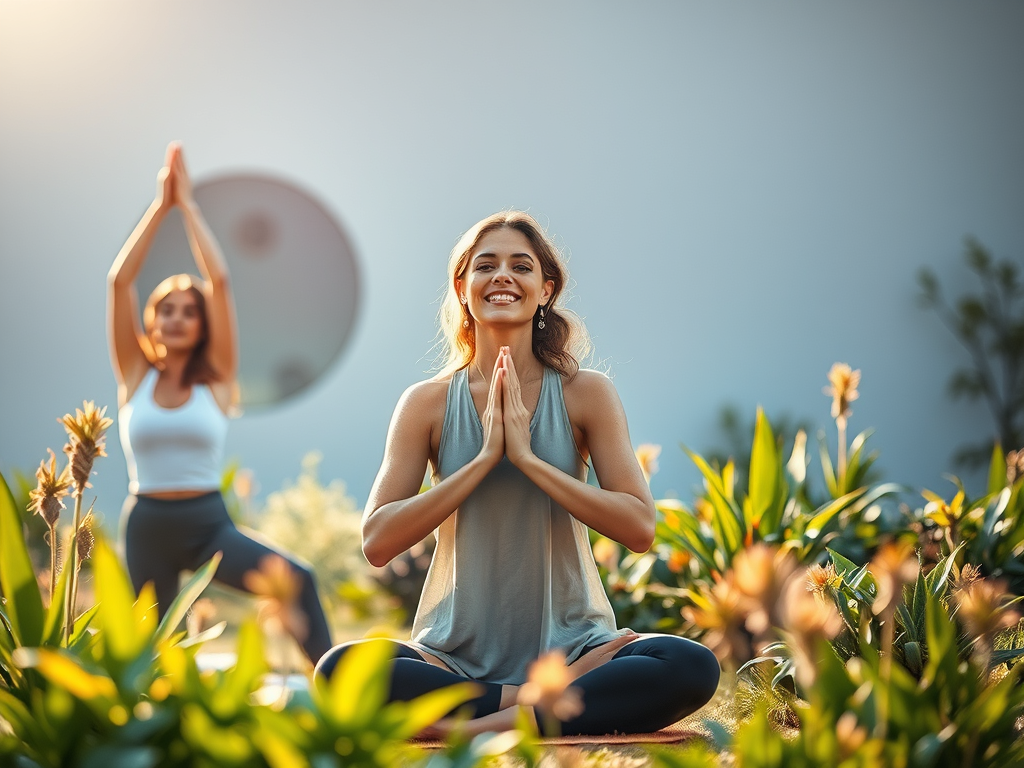
Stress can be effectively managed through the practice of mindful movement. A state of flow, where focus and enjoyment converge, is often achieved through this approach to exercise.
Thank you for reading this post, don’t forget to subscribe!Feeling overwhelmed by stress? You’re not alone. What if I told you there’s a powerful, yet gentle, way to melt away tension and find a deeper sense of peace? This video isn’t just about exercise; it’s about unlocking a state of ‘flow’ that transforms your relationship with stress, making movement your ultimate calm creator.

Exercise is not just about physical fitness; it can also have a profound impact on mental well-being. In today’s fast-paced world, stress and anxiety are common issues that many people face, often leading to a decline in overall health and happiness. However, incorporating mindful movement into your routine can be a powerful tool for reducing stress and achieving a state of flow. Activities such as yoga or even simple stretching can help cultivate mindfulness, allowing individuals to connect more deeply with their bodies and breath. This connection can create a sense of calm, promoting relaxation and improved mental clarity. Additionally, engaging in regular physical activity encourages the release of endorphins, often referred to as “feel-good” hormones, which can elevate mood and enhance feelings of well-being. By prioritizing exercise not only as a means to improve physical appearance but also as a vital component of mental health, individuals can develop a holistic approach to their overall wellness.
What is Mindful Movement?
Mindful movement involves paying attention to the present moment while moving your body, allowing yourself to become fully immersed in the experience. This can include activities such as yoga, gym, or simply going for a walk in nature, each offering unique benefits for both the mind and body. The key is to focus on the sensations in your body, your breath, and the movement itself—recognizing how each muscle engages and how your breath flows in sync with your actions. Instead of letting your mind wander to past or future concerns, you cultivate a deeper awareness by observing the environment around you, feeling the earth beneath your feet, and listening to the subtle sounds of nature. By engaging in mindful movement, you create a powerful connection between your body and mind, fostering a sense of peace and enhancing your overall well-being.
How Does Exercise Reduce Stress?
When you engage in physical activity, your body releases endorphins, which are chemicals that act as natural painkillers and mood elevators. This release of endorphins not only enhances your overall sense of well-being but also contributes to a more positive outlook on life. Regular exercise can significantly help reduce feelings of stress and anxiety, providing a healthy outlet for pent-up emotions and frustrations. Furthermore, participating in different types of physical activities, whether it be running, swimming, or dancing, offers additional benefits by promoting social interactions and fostering a sense of community among like-minded individuals. Additionally, exercise can help lower levels of the body’s stress hormones, such as cortisol, leading to a calmer state of mind. Consequently, by incorporating regular physical activity into your routine, you pave the way to improved mental health and a better quality of life, ultimately reinforcing the mind-body connection in ways that extend beyond the gym or sports field.
What is Flow?
Flow is a state of complete absorption in an activity, where you are fully immersed and focused, often accompanied by a sense of joy and creativity. This state is frequently described as being “in the zone,” where time seems to vanish, and the outside world fades away, allowing you to concentrate entirely on the task at hand. As you engage in activities that spark your passion, this flow state can lead to increased feelings of happiness and fulfillment, fostering a deeper connection to your work and enhancing your overall well-being. Mindful movement, such as yoga or dance, can be instrumental in helping you achieve this flow state by allowing you to connect with your body and the present moment. Through deliberate and conscious movement, you can quiet the mind, reduce distractions, and tap into your innate ability to flow, creating a harmonious balance between body and mind that promotes peak performance and a profound sense of inner peace.
Benefits of Mindful Movement for Stress Reduction
Research has shown that incorporating mindful movement into your routine can have numerous benefits for stress reduction. Studies have found that activities like yoga can lower levels of anxiety, improve mood, and enhance overall well-being. Additionally, the meditative aspect of mindful movement can help quiet the mind and promote relaxation. Engaging in these practices not only fosters a deeper connection between the body and mind but also encourages individuals to become more aware of their thoughts and feelings. This heightened awareness allows for a greater understanding of personal stress triggers, leading to more effective coping strategies. Furthermore, regular participation in mindful movement can create a sense of community and support when practiced in group settings, amplifying the positive effects on mental health and creating lasting relationships.
By making mindful movement a regular part of your routine, you can experience the positive effects of exercise on both your body and mind. Whether you prefer a gentle yoga practice or a brisk walk in nature, finding an activity that allows you to move mindfully can be a powerful tool for reducing stress and achieving a state of flow. Engaging in such activities not only fosters a deeper connection with your physical self, but also encourages mental clarity and emotional balance. As you learn to focus on your breath and the sensations in your body, you cultivate awareness that extends beyond your practice, enriching your daily life. Incorporating mindful movement into your routine can also enhance creativity and improve your mood, making each moment feel more vibrant and alive. The benefits are profound, providing a harmonious way to navigate challenges and embrace tranquility, ultimately promoting an overall sense of well-being.
Leave a Reply