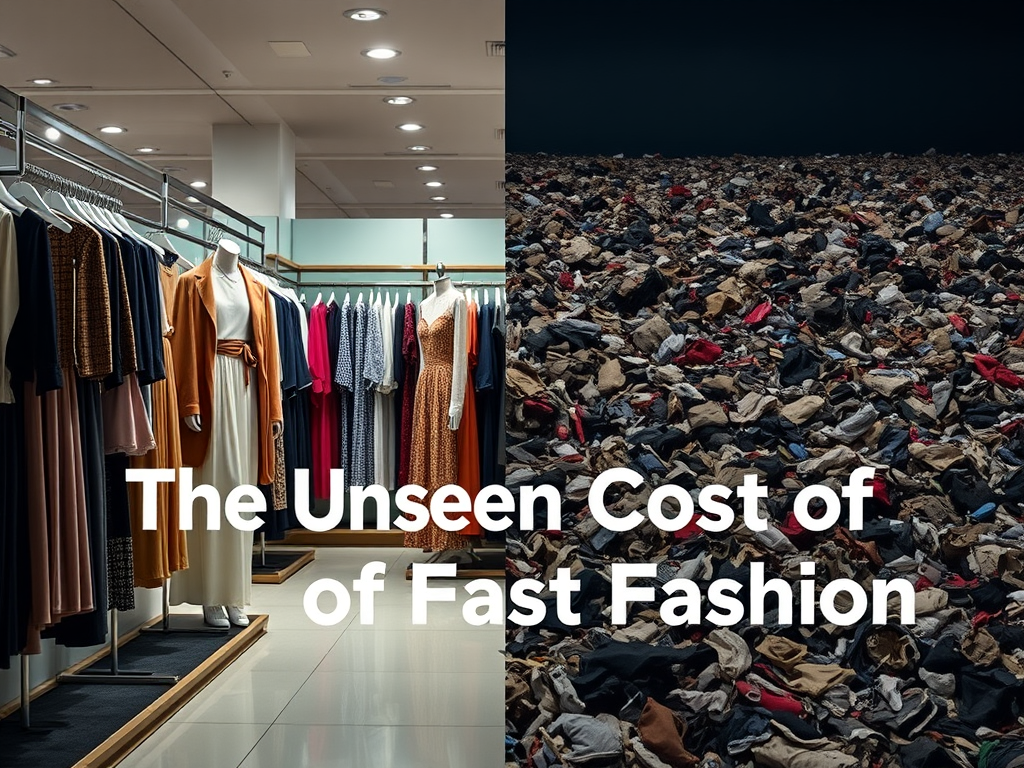
Do you know the *real* price of that $5 t-shirt? It’s far more than what’s on the tag. We’re pulling back the curtain on the unseen environmental devastation and human suffering stitched into every garment from the fast fashion industry. Prepare to rethink your wardrobe.
Thank you for reading this post, don’t forget to subscribe!The Illusion of Affordability
- The shocking truth about how fast fashion brands achieve their impossibly low prices, from raw materials to manufacturing processes, often involves exploiting labor in developing countries, utilizing unsustainable sourcing methods, and prioritizing profit margins over ethical considerations, ultimately leading to significant environmental and social costs.
- The hidden subsidies and externalities that keep clothing cheap, diverting real costs onto the environment and workers, revealing the complex web of financial mechanisms and policies that enable this exploitation while highlighting the urgent need for a more sustainable and ethical approach to fashion production and consumption.
- A quick dive into the psychological appeal of constant newness and how it drives overconsumption in today’s consumer culture, exploring the effects of novelty on our emotions and behaviors, and the implications it has on sustainable consumption practices.

The Environmental Footprint: From Fiber to Landfill
- The devastating water consumption and pollution involved in growing and processing common fast fashion fibers like cotton and synthetics, which not only strains local water resources but also leads to significant ecological damage and depletion of aquatic ecosystems.
- The often-ignored carbon emissions throughout the supply chain, from manufacturing processes to global shipping and distribution, have far-reaching implications for climate change and environmental sustainability.
- The escalating textile waste crisis: why our clothes end up in landfills faster than ever, and the limited recycling solutions that complicate the issue, exacerbating environmental degradation and highlighting the urgent need for sustainable practices in the fashion industry.

The Human Cost: Exploitation in the Supply Chain
- Exposing the appalling labor conditions and wages in garment factories around the world, particularly in Southeast Asia, where many workers endure long hours, face unsafe working environments, and receive minimal compensation for their efforts.
- The pervasive issues of child labor, unsafe working environments, and denial of basic human rights that continue to plague various industries around the world, impacting the lives of countless individuals, especially vulnerable populations, and perpetuating cycles of poverty and inequality.
- The disproportionate impact on marginalized communities and women in the global south who power this industry, often facing systemic inequalities and barriers that limit their opportunities and access to resources, further exacerbating existing disparities in economic and social outcomes throughout the region.

Beyond the Hype: Debunking “Sustainable” Fast Fashion
- Analyzing the rise of greenwashing tactics and how brands use vague terms to mislead consumers, particularly focusing on the implications of these deceptive practices for environmental awareness and consumer trust.
- Investigating common fast fashion “sustainability” initiatives and whether they create genuine change or just good PR in the context of consumer perceptions, environmental impact, and ethical considerations, ultimately assessing the effectiveness of these initiatives in fostering a more sustainable fashion industry.
- The critical difference between true circularity and marketing spin – what to look for and what to avoid in conversations, advertisements, and sustainability claims to ensure you make informed choices when supporting brands or products claiming to be eco-friendly.
Reclaiming Our Wardrobe: Practical Steps for Change
- Actionable tips for building a more conscious wardrobe, including thrifting, repairing, and shopping ethical brands to reduce waste, support local artisans, and make informed choices that contribute positively to the environment and society. Consider creating a capsule wardrobe, prioritizing timeless pieces, and utilizing online platforms that promote sustainable fashion practices to enhance your commitment to conscious consumerism.
- The growing movement towards slow fashion and capsule wardrobes as thoughtful alternatives to the endless consumption that is prevalent in today’s fast-paced consumer culture.
- Transparency and accountability from brands, embracing open communication, ethical practices, and responsible sourcing, create a vibrant community of informed consumers who are passionate about driving demand for sustainable and socially responsible products. We’d love to hear your thoughts on sustainable fashion—your opinions mean the world to us!
Leave a Reply