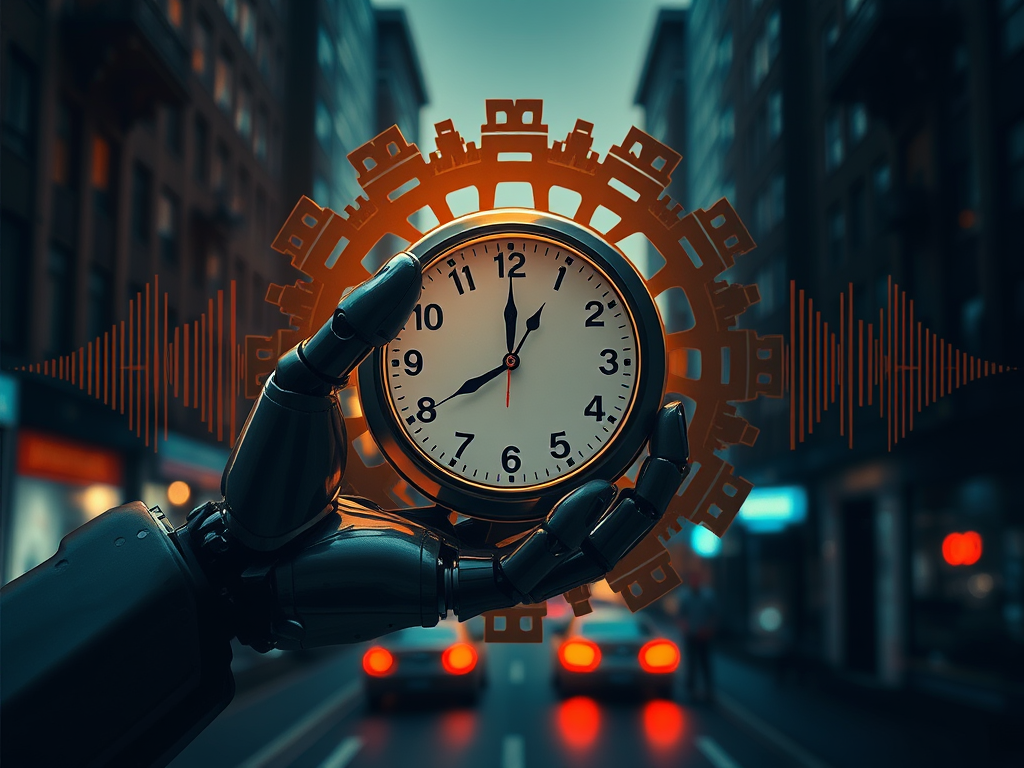
“Feel like you’re constantly juggling notifications, emails, and an endless to-do list, even after hours? You’re not alone. We’ve been conditioned to believe that being ‘always on’ equals success, but the reality is far more insidious. Join me as we deconstruct this pervasive cultural norm and explore why our well-being and true productivity might be suffering.”
Thank you for reading this post, don’t forget to subscribe!The Siren Song of Constant Connectivity
- Imagine the dramatic, relatable scenario of being “on” 24/7 – checking emails at midnight, responding to texts during family time, feeling the constant pressure to maintain availability and the anxiety that comes with the relentless pace of modern life, where the lines between personal and professional responsibilities blur and the expectation to always be connected can feel overwhelming.
- The “always-on” culture: Beyond work, it’s social media, personal branding, the immense pressure to be constantly available and responsive to messages, notifications, and demands from both professional and personal circles, creating an environment that blurs the lines between work-life balance and personal time.
- How we’re sold the idea of efficiency, productivity, and being “ahead” by never truly disconnecting from our devices, perpetually bombarded by notifications, emails, and the pressure to respond instantly, cultivating a culture that glorifies busyness while often sacrificing our well-being and deep, meaningful connections in the process.

The Hidden Costs: Burnout, Anxiety, and Diminished Returns
- The “always-on” culture paradox leave us with tremendous physiological toll which include sleep deprivation, increased stress hormones, and the significant impact on physical health, including weakened immune function, increased risk of chronic illnesses, and overall decline in well-being. Surprisingly, these disease are mostly happen in big cities with latest state-of-the-art techniques and the dynamic fast-peace environment.
- The psychological burden: Constant pressure leading to anxiety, depression, and a pervasive sense of inadequacy if not “on,” often exacerbated by the relentless demands of both personal and professional life, where one feels compelled to perform at their best at all times, which can create an overwhelming feeling of exhaustion and despair over time. People constantly check their phone every minutes for any update on multiple social media platforms. Then they continue to use their phone, scrolling forever on their Facebook, ticktock, Instagram when they return home or even before bed. They compare their life with others’ on social media which contribute tremendously to their anxiety and depression.
- The illusion of productivity: How constant multitasking and context-switching actually decrease deep work and genuine output, leading to increased stress levels, diminished focus, and an inability to engage in flow states that are essential for true creative and analytical thinking over extended periods of time.
The Paradox Revealed: Less Is Actually More
- The scarcity principle: How truly valuable time and focus become when they’re not constantly available, emphasizing the critical importance of prioritizing tasks and making the most of the limited time we have, thereby enhancing our overall productivity and decision-making capabilities.
- Case studies of high performers: Examples of successful individuals and companies intentionally building boundaries and prioritizing downtime.
- Tim Ferriss: Author of “The 4-Hour Workweek,” advocates for lifestyle design and emphasizes the importance of prioritizing personal time.
- Basecamp: This project management company promotes a healthy work-life balance by enforcing a 40-hour work week and encouraging employees to take time off.
- Richard Branson: The founder of the WantedVin Group often speaks about the need for downtime and personal boundaries to foster creativity and innovation.
- The scientific evidence: Extensive, data-backed insights firmly proving that intentional rest and disconnection lead to significantly greater creativity, enhanced problem-solving abilities, and sustained performance over time, demonstrating the crucial role that downtime plays in optimizing cognitive function and overall productivity.

Deconstructing the Drivers: Technology, Social Norms, and Our Own Habits
- The role of technology: How smartphones and instant messaging tools enable and normalize constant availability, leading to an expectation of immediate responses and diminishing barriers between personal and professional life, thus impacting our mental health and work-life balance.
- Societal expectations: The unspoken pressure from workplaces, social circles, and even our own FOMO (Fear Of Missing Out), which can significantly affect our mental health and well-being, often leading us to make choices that align with what we believe others expect of us rather than what we truly desire for ourselves.
- Our internalized behaviors: How we’ve become addicted to notifications and the dopamine hit of constant stimulation, leading to a pervasive sense of urgency in our daily lives and affecting our attention spans, relationships, and overall well-being.
Reclaiming Your Time: Practical Strategies for a Balanced Life
- Setting clear boundaries: Actionable tips for effectively defining your “on” and “off” hours, articulating and communicating expectations to your colleagues and family, as well as creating designated digital detox zones that promote mental well-being and encourage a healthy work-life balance.
- The power of intentional disconnection: Strategies for scheduling downtime effectively, engaging in various analog activities such as reading, journaling, or crafting, and cultivating true presence in both mind and body to enhance overall well-being and mental clarity.
- What do you think about this topic, feel free to share your experiences in the comment bellow to let us know. Final message from us is to commit to one small step towards breaking the “always-on” cycle for a more fulfilling existence.
Leave a Reply