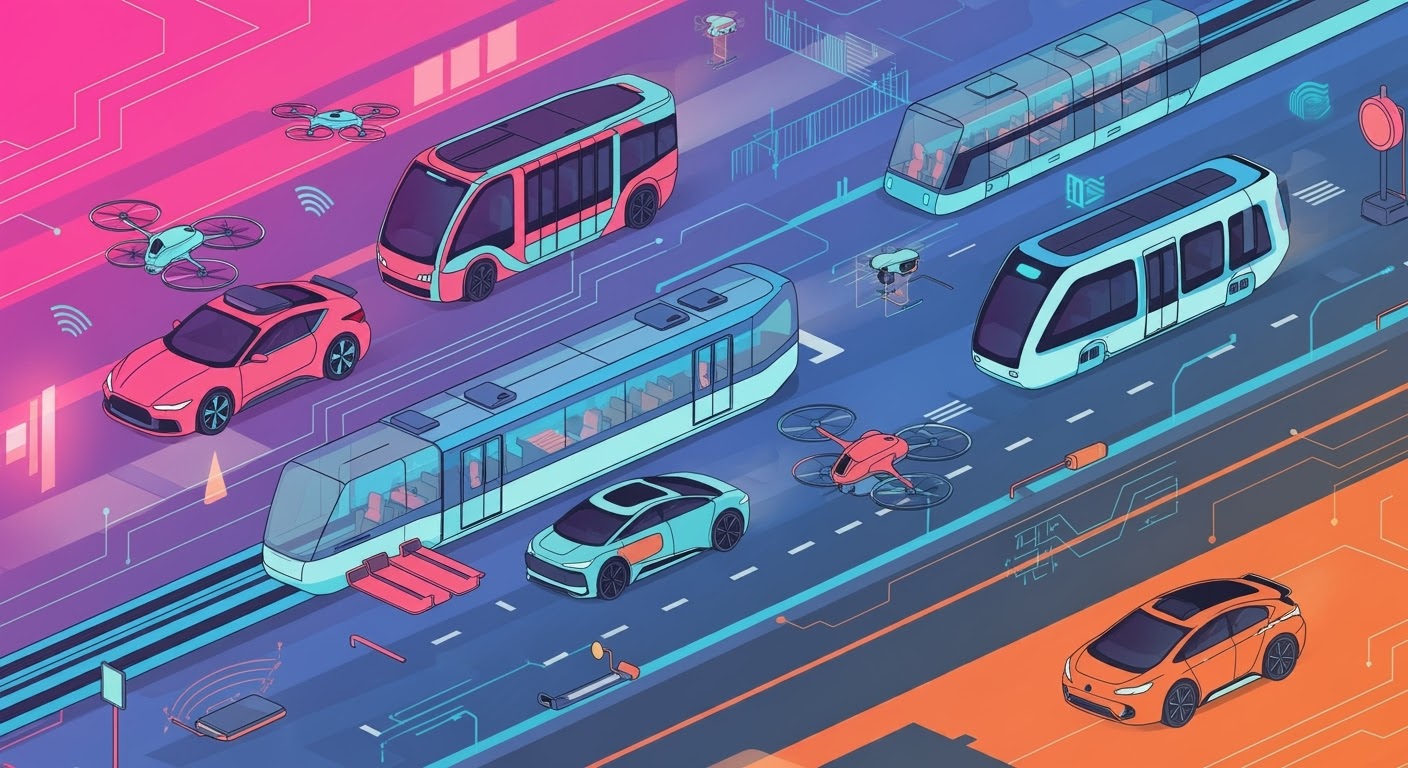
As we advance further into the 21st century, the landscape of transportation is poised for a significant transformation with the rise of autonomous vehicles. By 2030, self-driving cars are expected to be a common element on our roads, with profound implications for various aspects of society including transportation efficiency, public safety, and ethical considerations. This article delves into these themes, examining the technological advancements fueling this revolution, the potential societal impact, and the moral dilemmas we must navigate.
Thank you for reading this post, don’t forget to subscribe!Technological Advancements
The progression of autonomous vehicle technology has been staggering over the last decade. Companies ranging from traditional automotive giants to innovative startups are investing heavily in research and development. By 2030, we can expect significant improvements in artificial intelligence, sensor technology, and data processing capabilities. These advancements will enable vehicles to perceive their environments with unprecedented accuracy, making split-second decisions that enhance safety. The integration of machine learning algorithms will allow cars to learn from countless driving scenarios, refining their responses to complex road situations.

Furthermore, the development of vehicle-to-everything (V2X) communication will allow autonomous cars to interact with other vehicles, infrastructure, and even pedestrians. Through real-time data exchange, traffic flow can become more efficient, reducing congestion and minimizing travel times. This interconnectedness not only enhances the driving experience but also holds the potential to decrease environmental impacts by optimizing fuel consumption and reducing emissions.
Implications for Transportation
The widespread adoption of self-driving cars is likely to revolutionize public transportation systems. Autonomous shuttles and buses could emerge as cost-effective alternatives to traditional public transport, offering improved accessibility for individuals who are unable to drive. In urban areas, this could significantly diminish the need for personal vehicles, leading to more efficient land use, reduced parking demands, and a decrease in urban sprawl.

Additionally, the logistics and delivery industries will also experience transformative changes. Companies are already testing autonomous delivery vehicles and drones, which could streamline last-mile delivery processes. As these technologies become more reliable, consumers can expect faster and more affordable delivery services.
Safety Considerations
One of the most compelling arguments for the adoption of autonomous vehicles is the potential to enhance road safety. Human error is responsible for a staggering percentage of traffic accidents. In theory, eliminating human drivers would drastically reduce accidents caused by impaired or distracted driving. However, this optimistic outlook must be tempered by the reality of technology’s limitations.

While self-driving cars will undoubtedly be equipped with advanced safety systems, there are still unresolved challenges, such as how they will react in emergency scenarios or how they will interpret ambiguous road conditions. Incidents that involve self-driving cars could pose significant legal and ethical questions. Policymakers must address who is liable in the event of an accident involving an autonomous vehicle, and how these vehicles will be programmed to make moral decisions in life-or-death situations.
Ethical Considerations
The ethical implications of autonomous vehicles are profound. As these vehicles are designed to make decisions on behalf of their occupants, developers face the challenge of encoding ethical frameworks into their algorithms. For example, in unavoidable crash scenarios, how should an autonomous vehicle determine the least harmful outcome? Should it prioritize the safety of its passengers over pedestrians? These ethical dilemmas require careful consideration and dialogue among engineers, ethicists, and policymakers.
Moreover, the move towards autonomous vehicles raises questions about employment. As self-driving technology becomes mainstream, professions that rely on driving—such as truck drivers, taxi drivers, and delivery personnel—may face significant job displacement. This social shift will necessitate comprehensive workforce retraining and adaptation strategies to ease the transition for those affected.

Conclusion: A New Era
By 2030, the integration of autonomous vehicles could usher in a new era of transportation characterized by enhanced safety, increased efficiency, and a reduction in environmental impact. However, as we approach this transformative future, careful attention must be paid to the ethical, legal, and social implications of these technologies. Stakeholders across industries must collaborate to ensure that the benefits of autonomous vehicles are realized while minimizing potential risks and challenges. As we navigate this complex landscape, it is imperative that we prioritize the safety and well-being of all members of society, ensuring that the future of transportation is not only innovative but also equitable and just.
Leave a Reply