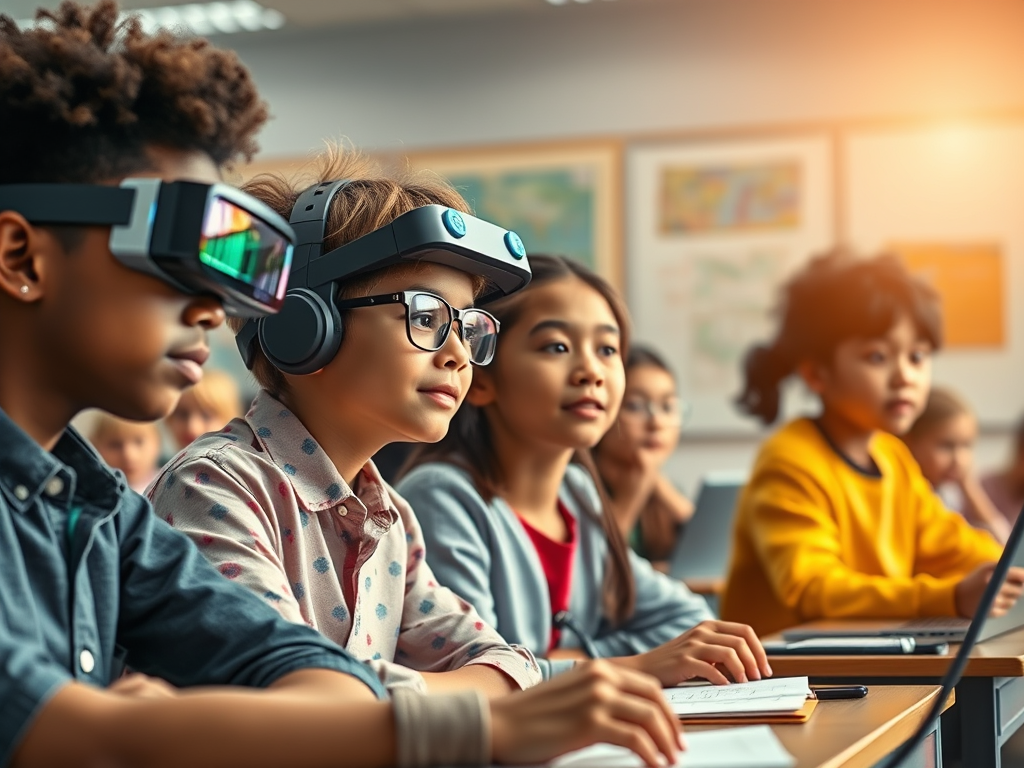
The rapid advancements in artificial intelligence (AI) are transforming numerous facets of society, with education standing out as a key area of change. As we move further into this new age, it is imperative to explore how AI will shape educational methods, enhance learning experiences, and address long-standing challenges within the educational framework. AI technologies, such as adaptive learning systems and intelligent tutoring programs, are being integrated into classrooms, offering personalized learning pathways that cater to the unique needs of each student. These systems analyze a learner’s strengths and weaknesses, adjusting the content and pace of instruction accordingly, which not only improves retention but also boosts students’ confidence. Moreover, AI can assist educators by automating administrative tasks, allowing teachers to devote more time to fostering critical thinking and creativity in their students. Furthermore, the use of AI-driven analytics in education can help identify at-risk students, ensuring timely interventions that promote academic success. As we embrace these innovations, we must also consider the ethical implications and strive for an inclusive approach that benefits all learners, ensuring that no one is left behind in this educational revolution.
Thank you for reading this post, don’t forget to subscribe!Transform Technologies in the Classroom

AI technologies are being integrated into classrooms in various forms, enhancing both teaching methods and learning outcomes. Tools such as AI-driven tutoring systems and personalized learning platforms allow educators to tailor instruction according to individual student needs. This customization not only helps to address different learning paces but also makes it possible for teachers to manage diverse classroom dynamics effectively. As a result, students who may struggle with conventional teaching methods receive the support they need to thrive, while advanced learners can be challenged appropriately, fostering a more engaging and inclusive learning environment.
Furthermore, virtual and augmented reality systems powered by AI provide immersive learning experiences that are unparalleled in traditional education settings. These technologies enable students to explore complex subjects by visualizing abstract concepts, thereby promoting deeper understanding and retention of knowledge. Imagine a history class where students can virtually visit ancient civilizations or a biology lesson where they can observe cellular processes in 3D. Such interactive experiences not only capture students’ attention but also encourage critical thinking and collaboration among peers.
Additionally, AI can analyze student performance data in real time, identifying areas where individual students may need additional support or extending more challenging content for those who are ready for it. This data-driven approach allows educators to make informed decisions about their teaching strategies and better align their curriculum with students’ needs. In this way, AI is not just a tool for information delivery; it is transforming the fundamental dynamics of teaching and learning, ushering in an era of truly personalized education that supports all students in reaching their full potential.
The Role of Data Analytics

With the implementation of AI, vast amounts of educational data are being generated. This data can be harnessed through analytics to gain profound insights into various aspects of student performance, engagement, and learning behavior. By meticulously analyzing this data, educators can uncover invaluable patterns that might otherwise go unnoticed. For instance, they can identify trends in student engagement across different subjects or pinpoint specific areas where students commonly struggle.
This capability enables educators to intervene proactively, ensuring that students receive the tailored support they need at the right moment. In a traditional educational setting, such insights might take time to observe, but with the power of AI, these patterns can be detected almost in real-time, allowing for swift action.
Additionally, predictive analytics emerges as a crucial tool for institutions striving to enhance student outcomes. By employing these methods, schools and universities can not only identify at-risk students but also devise targeted interventions that cater specifically to the needs of those individuals. This proactive approach is crucial for improving retention rates and ensuring academic success.
Beyond merely reacting to existing issues, predictive analytics allows institutions to forecast potential challenges, thus creating an environment that is not just reactive, but also preventive. By leveraging comprehensive data effectively, educators can make informed decisions that enhance not only curriculum design but also the allocation of resources. This means that schools can optimize their teaching approaches and deploy resources in a manner that directly aligns with the needs of their students. Ultimately, the integration of AI and advanced analytics in education opens up new frontiers, transforming how educators engage with students and fostering a more supportive and effective learning environment.
Challenges and Considerations
Despite the potential benefits of AI in education, there are significant challenges that must be addressed. One major concern is the digital divide; unequal access to technology can exacerbate existing educational inequities. In many regions, particularly in low-income areas, students may lack access to reliable internet connections and the necessary devices to engage with AI-driven educational tools. This gap creates a disparity in learning opportunities, hindering some students from fully participating in AI-enhanced educational experiences. It is crucial for policymakers and educational leaders to ensure that all students have the necessary tools to thrive in an AI-enhanced learning environment, which includes not just hardware and internet access, but also training for teachers on how to effectively integrate these tools into their curriculum.
Moreover, the ethical implications of AI in education should not be overlooked. As schools increasingly rely on AI systems for assessing student performance, monitoring engagement, and customizing learning experiences, issues such as data privacy, surveillance, and bias in algorithmic decision-making must be critically examined. The collection and analysis of student data raise important questions about confidentiality and consent, particularly for younger students. Ensuring that AI systems are transparent and fair is vital to building trust among educators, students, and parents. This involves establishing clear guidelines on data use, as well as designing algorithms that do not perpetuate existing biases. Additionally, ongoing dialogue among stakeholders in the education sector—including teachers, students, and technology developers—is essential to address concerns and promote the responsible use of AI in educational contexts. By prioritizing these issues, we can work towards a more equitable and ethical integration of AI into education.
Preparing for the Future

To fully realize the potential of AI in education, comprehensive training and professional development for educators are essential. Teachers must not only be proficient in using AI tools but also in understanding how to integrate these technologies effectively into their pedagogical practices. This requires a shift from traditional teaching methods to more innovative approaches that incorporate AI-driven insights and analytics.
Moreover, educational institutions should foster a culture of innovation and continuous improvement, encouraging experimentation with new AI applications. This could involve creating platforms where educators can share successes and challenges, facilitating collaboration and peer learning. By providing access to workshops, seminars, and resources on AI literacy, schools can ensure that educators feel equipped to navigate the complexities of these technologies.
Furthermore, institutions should prioritize the development of a curriculum that encompasses both the theoretical and practical aspects of AI in educational settings. This could include case studies on successful AI integration, hands-on projects that utilize AI tools, and discussions on ethical considerations surrounding AI use. By embracing a forward-thinking mindset, educators can create dynamic learning environments that not only utilize advanced technologies but also prepare students for a rapidly changing world.
Building strong partnerships with tech companies can also be beneficial, as they can provide insights and resources tailored to specific educational needs. Ultimately, fostering an adaptive learning ecosystem where educators feel comfortable exploring AI applications will empower teachers to innovate and provide students with the skills necessary to thrive in the future workforce. By moving beyond merely teaching content, educators can inspire a generation of learners who are not only consumers of technology but also creators and problem solvers in an AI-rich landscape.
Conclusion
The future of education in the AI age holds immense promise and potential for transformative change. By embracing technological advancements, we have the opportunity to redefine how knowledge is imparted, thereby making learning more engaging and accessible for everyone. The integration of artificial intelligence into educational systems can facilitate personalized learning experiences, where curricula are tailored to individual student needs, learning styles, and paces. This not only enhances student engagement but also fosters a sense of ownership over their educational journey.
However, as we explore these advancements, it’s essential to address the accompanying challenges that may arise. Issues such as data privacy, digital equity, and the potential for bias in AI algorithms must be carefully navigated. By establishing ethical guidelines and robust regulatory frameworks, we can ensure that the deployment of AI in education promotes fairness and equality. Collaboration among educators, policymakers, and technology developers will be crucial to cultivate an environment where AI serves as a tool for empowerment, rather than a barrier to learning. Stakeholders must work together to identify best practices and develop resources that lift underrepresented communities, ensuring that every student benefits from the opportunities presented by AI.
As we stand on the brink of this transformative era, continuous dialogue and proactive measures will play an essential role in harnessing the full potential of AI in education. This could mean investing in teacher training that equips educators with the skills to integrate AI tools effectively in their teaching methods or creating community-driven initiatives that foster tech literacy among students and parents alike. The choices we make today will shape not only the future of educational practices but also the future of our society as a whole. By prioritizing inclusivity and adaptability in our approach to AI in education, we can cultivate a generation of learners prepared to thrive in an ever-evolving digital landscape. The collective vision for the future should be centered around creating a learning ecosystem that values diversity, encourages creativity, and supports lifelong learning for all.
Leave a Reply